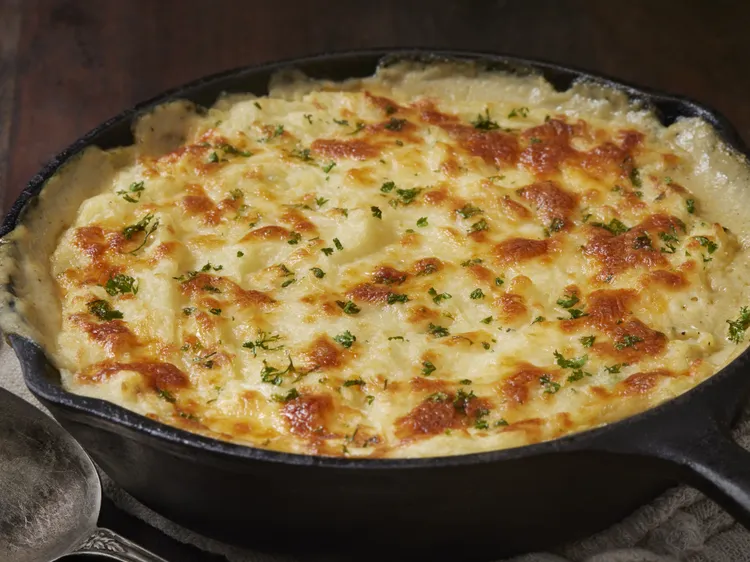
Creamy Tuna Casserole Recipe: A Classic, Rich and Comforting Family Dinner
Creamy Tuna Casserole is an enduring American comfort-food dish that combines tender noodles, flaky tuna, vegetables, and a rich savory sauce beneath a crisp golden topping. Straightforward ingredients and uncomplicated preparation make it particularly suitable for family dinners, meal preparation, and busy weeknights when a substantial meal is required without an elaborate cooking process.
A well-prepared Creamy Tuna Casserole recipe depends on balance. The sauce should be creamy enough to coat the noodles without becoming heavy or watery, the tuna should remain in recognizable flakes, and the pasta needs enough structure to withstand additional cooking in the oven. A crisp breadcrumb topping provides the essential textural contrast.
This version uses a homemade cream sauce rather than relying entirely on condensed soup. Butter and flour form the foundation, while milk and broth create a smooth sauce. Sharp cheddar, Dijon mustard, garlic, and black pepper provide savory depth without overwhelming the tuna. Frozen peas bring sweetness and color, while buttery panko breadcrumbs produce a crisp finish.
The result is a dependable tuna noodle casserole with familiar flavors, practical ingredients, and enough refinement to make it suitable for both everyday dinners and casual entertaining.
Preparation time: 20 minutes
Cooking time: 30 minutes
Total time: Approximately 50 minutes
Servings: 6
Oven temperature: 375°F
Why This Creamy Tuna Casserole Recipe Works
The success of a tuna casserole begins with controlling moisture. Pasta naturally absorbs liquid as it bakes, which means a sauce that appears perfectly thick before going into the oven may become too dry by the time the casserole is served.
For this reason, the sauce in this recipe remains slightly loose during assembly. It thickens as the casserole bakes and again during the brief resting period after it leaves the oven.
Cooking the egg noodles slightly less than the package directions is equally important. The noodles finish cooking in the sauce, allowing them to absorb flavor without becoming overly soft.
Finally, the tuna is folded into the filling rather than vigorously stirred. This maintains larger flakes and prevents the fish from disappearing into the sauce.
Ingredients for Creamy Tuna Casserole
For the Casserole
- 12 ounces wide egg noodles
- 3 tablespoons unsalted butter
- 1 small yellow onion, finely diced
- 2 garlic cloves, finely minced
- 3 tablespoons all-purpose flour
- 1 1/2 cups whole milk
- 1 cup low-sodium chicken broth or vegetable broth
- 1 teaspoon Dijon mustard
- 1/2 teaspoon kosher salt, plus additional salt for the pasta water
- 1/4 teaspoon freshly ground black pepper
- 1 cup shredded sharp cheddar cheese
- 2 cans (5 ounces each) tuna, thoroughly drained
- 1 cup frozen peas, thawed
- 2 tablespoons finely chopped fresh parsley, optional
For the Crispy Breadcrumb Topping
- 3/4 cup panko breadcrumbs
- 2 tablespoons unsalted butter, melted
- 2 tablespoons finely grated Parmesan cheese
- 1/4 teaspoon garlic powder
How to Make Creamy Tuna Casserole
1. Preheat the Oven
Preheat the oven to 375°F.
Lightly grease a 9-by-13-inch baking dish with butter or cooking spray and set it aside.
Meanwhile, bring a large pot of generously salted water to a boil.
2. Cook the Egg Noodles
Add the egg noodles to the boiling water and cook them for approximately 2 minutes less than the package directions for al dente.
The noodles should be flexible but still slightly firm in the center. They will continue cooking after they are combined with the sauce and transferred to the oven.
Drain the noodles thoroughly. Do not rinse them, as the surface starch helps the cream sauce adhere to the pasta.
Set aside while preparing the sauce.
3. Cook the Onion and Garlic
Melt 3 tablespoons butter in a large saucepan or deep skillet over medium heat.
Add the finely diced onion and cook for 4 to 5 minutes, stirring occasionally, until soft and translucent.
Add the minced garlic and continue cooking for approximately 30 seconds, or just until fragrant. Garlic can become bitter when browned excessively, so it requires only brief cooking at this stage.
4. Prepare the Roux
Sprinkle the flour over the softened onions and stir continuously for approximately 1 minute.
The flour should coat the onion evenly and lose its raw appearance without developing significant color.
This butter-and-flour mixture, known as a roux, provides the primary thickening structure for the homemade casserole sauce.
5. Make the Cream Sauce
Gradually pour in the milk while whisking continuously.
Begin with a small quantity and whisk until completely smooth before adding the remaining milk. Gradually whisk in the broth.
Bring the mixture to a gentle simmer over medium heat.
Cook for 3 to 5 minutes, stirring regularly, until the sauce thickens enough to lightly coat the back of a spoon.
Stir in the Dijon mustard, kosher salt, and black pepper.
6. Add the Cheddar
Reduce the heat to low.
Add the shredded sharp cheddar gradually, stirring until completely melted and incorporated into the sauce.
Avoid allowing the cheese sauce to boil vigorously. Excessive heat can cause cheese proteins and fat to separate, producing a grainy rather than smooth consistency.
Remove the saucepan from the heat.
7. Combine the Casserole Filling
Add the drained egg noodles and thawed peas to the sauce.
Gently toss until the noodles are thoroughly coated.
Fold in the drained tuna and chopped parsley. Keep some pieces of tuna relatively large to provide a more substantial texture throughout the casserole.
Taste the mixture and adjust the salt and black pepper if necessary.
8. Transfer to the Baking Dish
Spoon the tuna and noodle mixture into the prepared baking dish.
Spread it evenly without pressing down firmly. A relatively loose arrangement allows the sauce to remain distributed between the noodles as the casserole bakes.
9. Prepare the Crispy Topping
Combine the panko breadcrumbs, melted butter, Parmesan cheese, and garlic powder in a small bowl.
Stir until the breadcrumbs are evenly coated with butter.
Scatter the topping uniformly across the casserole.
10. Bake the Tuna Casserole
Bake uncovered at 375°F for 20 to 25 minutes.
The casserole is ready when the sauce is visibly bubbling around the edges and the breadcrumb topping has developed an even golden-brown color.
For additional browning, the casserole may be placed under the broiler for 1 to 2 minutes. Watch continuously during this stage because breadcrumbs can darken very quickly.
11. Rest and Serve
Remove the casserole from the oven and allow it to rest for 5 to 10 minutes before serving.
Resting gives the hot sauce time to settle and thicken slightly, resulting in cleaner portions without sacrificing its creamy consistency.
Serve warm.
Expert Tips for the Best Tuna Noodle Casserole
Do Not Fully Cook the Noodles
The pasta continues to cook in the oven. Fully cooking the noodles before assembly increases the likelihood of a soft or mushy casserole.
Aim for pasta that is slightly firmer than ordinary al dente.
Drain Canned Tuna Thoroughly
One of the simplest ways to prevent watery tuna casserole is to remove as much excess liquid as possible from the canned tuna.
After opening the cans, drain them thoroughly before adding the fish to the sauce.
Use Freshly Grated Cheese
Freshly grated cheddar generally produces a smoother sauce than pre-shredded cheese. Packaged shredded cheese often contains ingredients intended to prevent clumping, which can affect melting.
Keep the Sauce Slightly Loose
Do not continue simmering the sauce until it becomes exceptionally thick. It should coat the noodles generously before baking because the pasta absorbs additional moisture in the oven.
Fold Rather Than Stir the Tuna
Add tuna near the end of assembly and fold it through the noodles carefully. This technique maintains attractive pieces of fish rather than breaking everything into very small fragments.
Creamy Tuna Casserole Variations
Tuna Mushroom Casserole
Add 8 ounces sliced cremini or button mushrooms.
Cook the mushrooms with the onions until their released moisture evaporates and their edges begin to brown. Continue with the recipe as directed.
Mushrooms add earthy depth that complements both tuna and the creamy cheese sauce.
Extra-Cheesy Tuna Casserole
Increase the cheddar from 1 cup to 1 1/2 cups.
For an especially cheesy surface, sprinkle another 1/2 cup cheddar over the casserole before adding the breadcrumb topping.
Vegetable Tuna Casserole
Peas are traditional, but additional vegetables can easily be incorporated.
Broccoli florets, corn, chopped spinach, diced carrots, or green beans are appropriate options. Cook firm vegetables until nearly tender before adding them.
For watery vegetables such as spinach, remove excess moisture before assembly.
Gluten-Free Tuna Casserole
Replace the egg noodles with gluten-free pasta, the flour with a reliable 1-to-1 gluten-free flour blend, and the panko with certified gluten-free breadcrumbs.
Gluten-free pasta can soften quickly when baked, so cook it only until barely tender before combining it with the sauce.
Lighter Creamy Tuna Casserole
Whole milk provides excellent richness, but 2% milk can be substituted.
Reducing the cheddar to approximately 3/4 cup also produces a lighter casserole while retaining a creamy texture.
Ingredient Substitution Guide
| Original Ingredient | Suitable Substitute | Result |
|---|---|---|
| Egg noodles | Fusilli, rotini, or medium shells | Slightly different texture |
| Whole milk | 2% milk | Lighter cream sauce |
| Sharp cheddar | Gruyère or Monterey Jack | Different cheese character |
| Peas | Broccoli, corn, or green beans | More vegetable variety |
| Panko breadcrumbs | Regular breadcrumbs | Finer, less airy topping |
| Panko breadcrumbs | Crushed buttery crackers | Richer, more traditional topping |
| Chicken broth | Vegetable broth | Similar consistency with different flavor |
| Parmesan | Pecorino Romano | Sharper, saltier finish |
What to Serve With Creamy Tuna Casserole
Creamy Tuna Casserole is substantial enough to function as the centerpiece of a complete meal. Because it contains pasta, cheese, tuna, and a creamy sauce, lighter accompaniments provide the most effective balance.
A green salad dressed with a sharp lemon or red-wine vinaigrette is particularly suitable. The acidity provides contrast against the richness of the casserole.
Steamed green beans, roasted asparagus, broccoli, or Brussels sprouts are also excellent choices. Keep their seasoning relatively straightforward so the casserole remains the dominant component of the meal.
For a traditional family-style dinner, warm dinner rolls can be served alongside. Their soft texture contrasts pleasantly with the crisp breadcrumb topping.
Make-Ahead Creamy Tuna Casserole
This recipe can be assembled approximately 24 hours before baking.
Prepare the casserole through the filling stage and transfer it to the baking dish. Do not add the breadcrumb mixture.
Cover tightly and refrigerate.
Prepare and store the breadcrumb topping separately. When ready to cook, remove the casserole from the refrigerator while the oven preheats, then scatter the topping over the surface immediately before baking.
A cold casserole may require approximately 5 to 10 additional minutes of baking time.
How to Store Tuna Casserole
Allow leftovers to cool promptly before transferring them to an airtight container.
Refrigerated Creamy Tuna Casserole can be stored for approximately 3 to 4 days.
For food quality and safety, avoid repeatedly reheating and cooling the entire casserole. Instead, reheat only the quantity required for each meal.
Can You Freeze Creamy Tuna Casserole?
Yes, although freezing can slightly alter the consistency of both the noodles and dairy-based sauce.
For the best results, freeze individual cooled portions in airtight freezer-safe containers for up to 2 months.
Thaw frozen casserole overnight in the refrigerator before reheating.
Individual portions are preferable because they thaw and reheat more evenly than an entire casserole.
How to Reheat Tuna Casserole
For oven reheating, place the casserole in an oven-safe dish and add 1 to 2 tablespoons milk if the filling appears dry.
Cover loosely with aluminum foil and heat at 350°F for approximately 20 to 25 minutes, depending on the amount.
Remove the foil during the final 5 minutes to help restore the topping’s crispness.
Individual servings can also be microwaved until thoroughly hot. Adding a small splash of milk before reheating helps restore some of the sauce’s original creaminess.
Common Tuna Casserole Mistakes to Avoid
Overcooking the Pasta
This is the primary cause of mushy casserole. Remember that the noodles receive two separate cooking periods: boiling and baking.
Using Too Much Liquid
The filling needs moisture, but it should not resemble soup before entering the oven. Allow the roux-based sauce to simmer until lightly thickened.
Overbaking
Leaving the casserole in the oven well beyond the point when it is hot and bubbling can dry the sauce and soften the pasta excessively.
Skipping the Resting Period
Serving immediately after baking can make the casserole appear looser than intended. A brief rest improves its final consistency considerably.
Nutrition Information
Approximate nutrition per serving, based on 6 servings:
| Nutrient | Estimated Amount |
|---|---|
| Calories | 510 kcal |
| Protein | 26 g |
| Fat | 22 g |
| Saturated Fat | 12 g |
| Carbohydrates | 52 g |
| Fiber | 4 g |
| Sugar | 7 g |
| Sodium | 610 mg |
Nutritional values are estimates and will vary according to the specific brands and ingredients used.
Frequently Asked Questions
What Makes Tuna Casserole Creamy?
A combination of milk, broth, roux, and cheese creates the creamy consistency in this recipe. The roux thickens the liquid while the cheese contributes additional body and richness.
How Do You Prevent Tuna Casserole From Becoming Dry?
Slightly undercook the noodles, use enough sauce to generously coat the pasta, and remove the casserole from the oven once the filling is bubbling and the topping is golden. Overbaking is a common cause of dryness.
What Is the Best Tuna for Tuna Casserole?
Both canned albacore and light tuna are suitable. Albacore generally has a firmer texture and milder character, while light tuna typically provides a more pronounced tuna flavor.
Can Tuna Casserole Be Prepared the Night Before?
Yes. Assemble the casserole without its breadcrumb topping, cover, and refrigerate overnight. Add the topping immediately before baking.
Can You Make Tuna Casserole Without Peas?
Certainly. The peas can simply be omitted or replaced with broccoli, corn, green beans, mushrooms, or another vegetable that complements a creamy sauce.
Final Thoughts
A carefully prepared Creamy Tuna Casserole recipe demonstrates why this traditional dish continues to be a practical choice for home cooking. Tender noodles and flaky tuna provide substance, while a homemade cheddar cream sauce creates richness and the buttery panko topping contributes an essential crisp finish.
The recipe is economical, adaptable, and particularly convenient because many of its ingredients can be kept in the pantry, refrigerator, or freezer. It can also be assembled in advance and adjusted with different vegetables, cheeses, or toppings according to individual preferences.
Most importantly, proper technique transforms a simple tuna noodle casserole into a balanced dish rather than an overly heavy one. Slightly undercooking the noodles, controlling the thickness of the sauce, draining the tuna thoroughly, and baking only until bubbling all contribute to a creamy interior and satisfying texture.
Served with a crisp salad or simply prepared green vegetables, this classic Creamy Tuna Casserole makes a complete family dinner with the comforting character of a traditional baked casserole and the polished texture of a carefully prepared homemade meal.