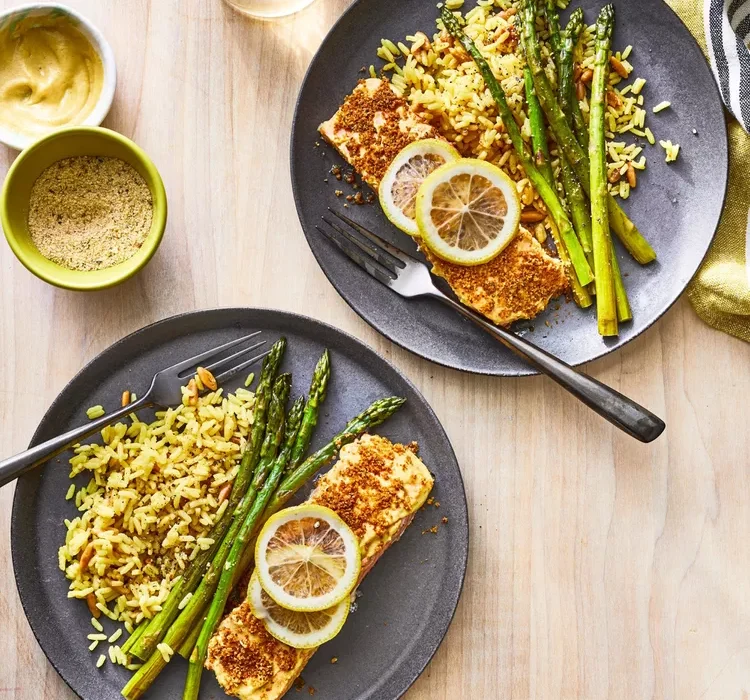
The Ultimate Baked Salmon Fillets Dijon: A Foolproof, 20-Minute Weeknight Masterpiece
When you need a restaurant-quality dinner but only have 20 minutes to spare, oven-baked salmon is the ultimate solution. However, the line between perfectly succulent seafood and a dry, chalky fillet is thin. The secret to bridging that gap lies in a classic culinary pairing: high-quality Dijon mustard and a well-timed bake.
This Baked Salmon Fillets Dijon recipe delivers flaky, melt-in-your-mouth fish under a deeply savory, golden crust. Dijon mustard acts as both a flavor powerhouse and a natural protective barrier, sealing in the fish’s natural moisture while it roasts. Balanced with crisp panko breadcrumbs, rich melted butter, fresh garlic, and a hint of bright lemon, this dish offers a beautiful contrast of textures—silky on the inside, crunchy on top.
Whether you are hosting a formal dinner party or looking for a nutritious, high-protein weeknight meal, this recipe balances elegance with effortless execution.
Why Dijon Mustard is the Ultimate Salmon Companion
In classic French cooking, mustard is frequently used to coat proteins before roasting. For salmon, Dijon offers three distinct culinary advantages:
-
Moisture Retention: Salmon is rich in healthy omega-3 fatty acids, but its lean protein strands can easily squeeze out moisture when exposed to high heat. The thick emulsion of Dijon mustard coats the flesh, preventing the dry, white protein known as albumin from bubbling to the surface.
-
Flavor Balancing: Salmon has a distinct, rich flavor profile. The sharp, vinegar-forward tang and complex heat of Dijon cut through the oiliness of the fish perfectly, cutting the richness without overpowering the delicate seafood flavor.
-
The Perfect Binder: If you have ever tried to press breadcrumbs onto a bare piece of fish, you know they tend to fall off in the pan. Dijon creates a tacky, seasoned surface that locks the herbaceous panko crust firmly in place.
Ingredients
This recipe relies on simple, accessible ingredients, meaning the quality of each component directly impacts the final dish. For the best results, select center-cut salmon fillets of uniform thickness so they bake at exactly the same rate.
For the Salmon
-
4 center-cut salmon fillets (6 ounces each, skin-on or skinless)
-
1 tablespoon olive oil (for prepping the baking sheet)
-
½ teaspoon kosher salt
-
¼ teaspoon freshly cracked black pepper
For the Dijon Glaze
-
3 tablespoons Dijon mustard (preferably smooth, traditional French Dijon)
-
1 tablespoon whole-grain mustard (for added texture and visual appeal)
-
2 cloves garlic, finely minced
-
1 tablespoon fresh lemon juice
-
1 teaspoon honey or pure maple syrup (to balance the acidity)
For the Herb-Panko Crust
-
½ cup Panko breadcrumbs (unseasoned)
-
2 tablespoons unsalted butter, melted
-
2 tablespoons fresh flat-leaf parsley, finely chopped
-
1 teaspoon lemon zest, finely grated
-
¼ teaspoon garlic powder
Step-by-Step Instructions
An exact cooking window is critical for perfectly baked seafood. Follow these chronological steps to ensure a flawless, flaky finish.
Step 1: Prep and Temper the Fish
Preheat your oven to 400°F (204°C) with a rack positioned in the center. Line a large, rimmed baking sheet with aluminum foil or parchment paper, and lightly brush it with one tablespoon of olive oil.
Remove the salmon fillets from the refrigerator approximately 10 to 15 minutes before cooking to take the chill off. This process, called tempering, ensures the fish cooks evenly from edge to center. Pat the fillets completely dry on all sides using a paper towel. Season the top of each fillet lightly with kosher salt and cracked black pepper.
Step 2: Mix the Dijon Glaze
In a small mixing bowl, combine the smooth Dijon mustard, whole-grain mustard, minced fresh garlic, lemon juice, and honey. Stir vigorously with a spoon until the glaze is smooth and completely integrated.
Step 3: Prepare the Herb-Panko Coating
In a separate medium bowl, combine the panko breadcrumbs, chopped fresh parsley, lemon zest, garlic powder, and the melted unsalted butter. Toss the mixture thoroughly with a fork until the breadcrumbs look like damp sand and the butter is evenly distributed.
Step 4: Assemble the Crust
Arrange the seasoned salmon fillets on the prepared baking sheet, leaving at least an inch of space between each piece to allow hot air to circulate.
Using a pastry brush or the back of a spoon, spread a generous, even layer of the Dijon glaze over the top of each fillet. Immediately afterward, spoon a quarter of the panko mixture over each glazed salmon piece. Gently press the breadcrumbs into the mustard glaze with your fingers so they adhere firmly.
Step 5: Bake to Perfection
Place the baking sheet in the preheated oven. Bake at 400°F (204°C) for 12 to 15 minutes, depending on the thickness of your fillets.
Visual Cue for Doneness: The salmon is ready when the sides look opaque and the panko topping has turned a light golden brown. If you prefer an extra-crispy crust, turn the oven to Broil for the final 60 seconds, watching closely to prevent the breadcrumbs from burning.
Remove from the oven and let the fish rest for 2 to 3 minutes before serving. Garnish with fresh lemon wedges.
Cooking Doneness Guide
Because individual oven temperatures vary, relying strictly on a timer can sometimes lead to overcooking. Use this quick reference table to determine exactly when your salmon is done using a digital instant-read thermometer inserted into the thickest part of the fillet.
Expert Tips & Ingredient Variations
Professional Cooking Tips
-
Don’t skip the paper towels: Excess moisture on the surface of the fish will steam in the oven, preventing the Dijon glaze from sticking properly and making the panko soggy.
-
Skin-on vs. Skinless: Baking skin-on fillets is highly recommended, even if you do not plan to eat the skin. The skin acts as an insulation layer against the hot baking sheet, preventing the bottom of the fillet from overcooking.
Ingredient Substitutions
-
The Breadcrumbs: To make this recipe completely gluten-free, swap the traditional panko for gluten-free panko crumbs or crushed pork rinds. For an elegant, nutty twist, replace half of the panko with finely chopped sliced almonds or pecans.
-
The Mustard: If you do not have whole-grain mustard on hand, you can use 100% smooth Dijon. Avoid using standard yellow American mustard, as its high vinegar content and stark flavor profiles lack the depth required for this dish.
-
Lighter Option: To reduce the total fat and dairy content, substitute the melted butter in the breadcrumb mixture with an equal amount of high-quality extra virgin olive oil or avocado oil.
Serving Suggestions
Baked Salmon Fillets Dijon features an assertive flavor profile that pairs beautifully with clean, green side dishes and subtle starches that soak up the extra glaze.
-
Vegetable Pairings: Serve alongside roasted asparagus spears, charred broccolini, or a crisp green salad tossed in a light lemon-shallot vinaigrette. The brightness of green vegetables contrasts beautifully with the savory mustard crust.
-
Starch Companions: This dish pairs effortlessly with fluffy jasmine rice, garlic-herb quinoa, or roasted baby red potatoes.
-
Wine Pairing: Accompany this meal with a crisp, dry white wine. A lightly oaked Chardonnay, a bright Sauvignon Blanc, or a chilled Pinot Noir (which pairs exceptionally well with richer fish like salmon) will complement the meal beautifully.
Storage & Make-Ahead Notes
Refrigeration
Store any leftover cooked salmon in an airtight container in the refrigerator for up to 3 days.
Reheating Instructions
Seafood is highly sensitive to reheating. To prevent the salmon from drying out, avoid the microwave if possible. Instead, place the leftovers on a baking sheet, tent loosely with aluminum foil to trap moisture, and heat in a 300°F (149°C) oven for 8 to 10 minutes until warmed through.
Freezing
While you can freeze cooked salmon for up to 2 months, the panko crust will lose its signature crispness upon thawing. For optimal texture, it is best enjoyed fresh or stored exclusively in the refrigerator.
Nutrition Information
The following values are realistic estimates based on a single serving size of one 6-ounce dressed fillet.
-
Calories: 380 kcal
-
Protein: 36g
-
Fat: 21g
-
Saturated Fat: 6g
-
Carbohydrates: 9g
-
Fiber: 1g
-
Sugar: 2g
-
Sodium: 490mg