


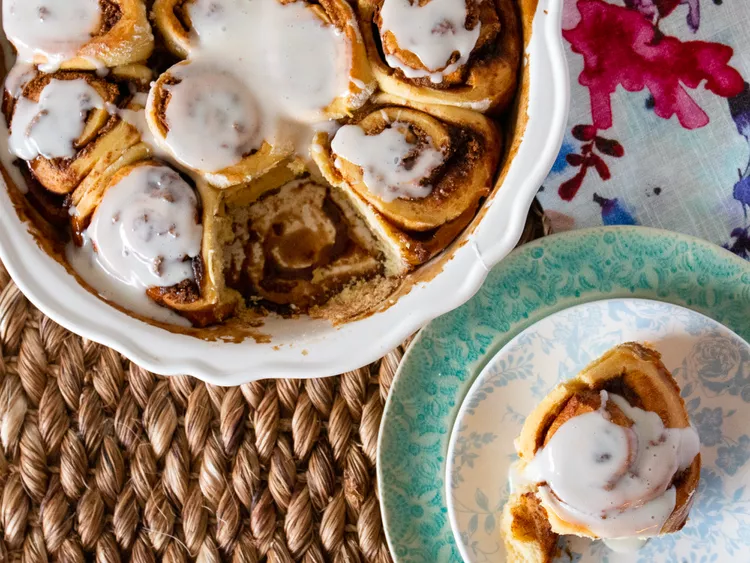
The Overnight Cinnamon Roll recipe represents a sophisticated intersection of culinary convenience and advanced yeast fermentation techniques. Far beyond a simple time-saving measure, the strategic utilization of cold temperatures allows for a methodical development of texture and flavour that elevates the finished product to a benchmark of quality in home baking.1 This formal analysis details the scientific principles underpinning this enduringly popular method.
I. Principles of Cold Fermentation (H2)
The core distinction of the overnight method is the retardation of the dough’s rise through cold proofing—typically achieved by placing the shaped rolls in a refrigerator (at approximately $3^{\circ}$C to $4^{\circ}$C) for a duration of 8 to 18 hours.
A. Enhanced Flavour Development (H3)
In contrast to the swift rise required by same-day recipes, the extended cold period fosters a slower, more complex biochemical reaction:2
- Organic Acid Production: The yeast ($Saccharomyces$ $cerevisiae$) and naturally occurring bacterial flora (lactic acid bacteria) continue their metabolic activity at a reduced rate. This slow process generates a higher concentration of organic acids, such as acetic and lactic acid, which contribute a desirable, subtle tang that expertly balances the high sugar content of the filling and dough.
- Enzymatic Activity: Longer fermentation allows amylase enzymes within the flour more time to break down complex starches into simpler, more available sugars.3 These sugars not only deepen the caramelization during baking but also contribute to the dough’s final moisture and flavour complexity.
B. Superior Gluten Structure (H3)
The chill of the refrigerator plays a vital role in managing the rheological properties of the enriched dough:
- Gluten Strengthening: The cold temperature firms the butter content and stabilizes the protein network (gluten). This controlled environment enables the gluten to relax without overextending, resulting in an exceptionally tender, yet structurally sound, crumb that resists drying out.4
- Aesthetic Uniformity: Chilling the dough prior to slicing ensures the roll log is firm and non-sticky, allowing for precise, clean cuts (often achieved using unflavoured dental floss).5 This structural integrity prevents the rolls from being crushed and promotes uniform rising and baking.
II. Methodological Requirements for Optimal Output (H2)
Successful execution of the Overnight Cinnamon Roll method relies on precise temperature control and adherence to a critical two-stage proofing process.
A. The Night-Before Preparation (H3)
The initial enriched dough—composed of high-fat ingredients (whole milk, butter, eggs) crucial for tenderness—undergoes a brief bulk fermentation (first rise) at room temperature. The rolls are then filled, shaped, and immediately transferred to the refrigerator. This prompt transfer is key to arresting the yeast activity and initiating the controlled cold proof.
B. The Critical Morning Tempering (H3)
The most common point of failure for this method is a failure to properly temper the cold dough. Directly baking refrigerated rolls results in a dense, low-volume product due to the thermal shock and reduced gas production.
- Final Proofing: Rolls must be removed from the refrigerator and allowed to rest at room temperature for 60 to 120 minutes (depending on ambient temperature). This warming period activates the yeast, allowing the dough to complete its final proof (second rise), achieve the necessary puffiness, and ensure a light, airy texture upon baking.
- Moisture Retention Technique: A popular technique involves pouring a small amount of heavy cream over the rolls immediately before baking.6 The high-fat liquid migrates downward, creating a moist, gooey layer that prevents the bottom of the roll from drying out.
III. Conclusion: A Masterpiece of Timing (H2)
The Overnight Cinnamon Roll recipe is a testament to the fact that slowing down a process can profoundly enhance its outcome. By utilizing the science of cold fermentation, bakers achieve a product that is demonstrably richer in flavour and superior in texture to its quick-rise counterparts, making it the preferred technique for achieving bakery-quality results with the added benefit of morning convenience.7