


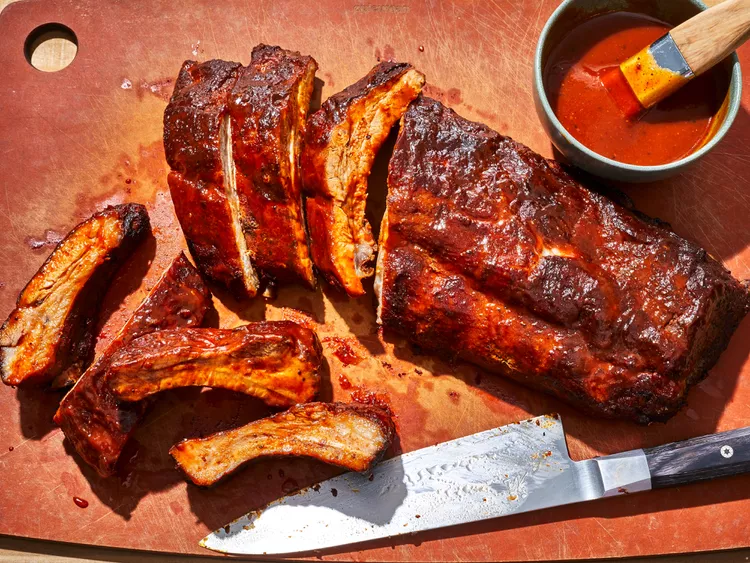
Ultimate Oven-Baked Baby Back Ribs: Fall-Off-The-Bone Tender
Few dishes capture the spirit of classic American comfort food quite like a pristine rack of barbecue ribs. While a backyard smoker is the traditional vehicle for achieving that deeply coveted smoky flavor and tender texture, your home kitchen oven is fully capable of producing competitive, restaurant-quality results.
The secret to perfect oven-baked baby back ribs lies in control: low temperatures, tightly sealed moisture, a balanced dry rub, and a high-heat caramelization finish. This technique guarantees the meat breaks down beautifully without drying out, delivering exceptionally juicy results every single time.
Why This Low and Slow Method Works
Baby back ribs are cut from the top of the rib cage closer to the spine. They are naturally leaner and more tender than spare ribs, but they still contain a significant amount of connective tissue and collagen.
If cooked too quickly over high heat, the muscle fibers contract violently, yielding a tough, rubbery texture.
-
Moisture Trapping: Wrapping the meat tightly in a double layer of heavy-duty aluminum foil creates an insulated, high-humidity microenvironment. The natural moisture released by the meat stays trapped, braising the ribs in their own juices.
-
Collagen Breakdown: Maintaining a steady oven temperature of 300°F (149°C) allows the tough collagen to slowly melt into gelatin over several hours. This transformation gives the meat its luxurious, tender quality.
-
The Glaze Finish: Finishing the ribs uncovered under a high broiler cooks the natural sugars in the barbecue sauce, mimicking the sticky, charred bark typically generated by a live-fire pit.
Ingredients
To achieve the best balance of sweet, savory, and smoky flavors, assemble high-quality spices for the dry rub alongside a premium rack of meat.
The Meat
-
2 racks baby back ribs (approximately 3 to 4 pounds total)
The Signature Dry Rub
-
1/4 cup dark brown sugar, packed
-
2 tablespoons sweet paprika
-
1 tablespoon smoked paprika (essential for that outdoor smoker flavor)
-
1 tablespoon garlic powder
-
1 tablespoon onion powder
-
1 tablespoon coarse kosher salt
-
1 teaspoon freshly ground black pepper
-
1 teaspoon chili powder
-
1/2 teaspoon cayenne pepper (optional, for a subtle heat kick)
-
1/2 teaspoon dry mustard powder
The Glaze & Liquid
-
1 cup high-quality barbecue sauce (your favorite store-bought brand or homemade)
-
2 tablespoons apple cider vinegar (used to brush the ribs before roasting)
Step-by-Step Instructions
Follow these chronological steps closely. Ensuring the aluminum foil wrap is airtight is the single most critical step to preventing dry meat.
Expert Tips & Variations
Professional Cooking Tips
-
Don’t Skip the Membrane Removal: Leaving the silver skin on prevents the dry rub from penetrating the bone side of the meat and cooks into a tough, plastic-like texture that is unpleasant to chew.
-
Heavy-Duty Foil Matters: Standard foil tears easily. If a bone punctures a hole in your foil packet, the steam escapes, taking your moisture and tenderness with it.
Practical Substitutions
-
The Mustard Binder alternative: If you out of apple cider vinegar, use 2 tablespoons of yellow ballpark mustard to coat the ribs before applying the spice rub. The vinegar in the mustard tenderizes the meat, and the strong mustard flavor entirely disappears during the long bake.
-
Sugar Adjustments: For a deeper caramelization, use dark brown sugar instead of light brown sugar. If you are watching your processed sugar intake, coconut sugar or a granulated monk fruit sweetener replacement works wonderfully.
Dietary Adjustments
-
Gluten-Free: Ensure your choice of store-bought barbecue sauce is certified gluten-free, as some brands use soy sauce or thickeners derived from wheat.
-
Keto / Low-Carb: Omit the brown sugar from the rub (or swap it for a brown sugar erythritol substitute) and use a zero-sugar, keto-compliant barbecue sauce.
Serving Suggestions
Oven-baked baby back ribs pair beautifully with classic American smokehouse sides that cut through the richness of the pork.
-
Classic Textural Balance: Pair the warm, tender meat with cold, crisp, and tangy sides like a vinegar-based coleslaw or an artisanal potato salad.
-
Warm Accompaniments: Skillet cornbread with honey butter, slow-baked pit beans, or grilled corn on the cob provide a comforting backdrop.
-
Flavor Profiles: Because the ribs carry a sweet and savory glaze, beverages with high acidity or effervescence—such as sweet iced tea with lemon, craft amber ales, or dry apple ciders—provide excellent palate cleansers between bites.
Storage & Make-Ahead Notes
Barbecue ribs store incredibly well and often taste even better the next day as the spices deepen in flavor.
-
Refrigeration: Store any leftover rib segments in an airtight container or wrapped tightly in a clean sheet of foil for up to 4 days in the refrigerator.
-
Freezing: You can freeze fully cooked, sauced ribs. Wrap the cooled ribs tightly in plastic wrap, follow with a layer of aluminum foil, and store in a freezer bag for up to 3 months. Thaw completely overnight in the refrigerator before reheating.
-
The Golden Reheating Rule: Never microwave leftover ribs if you want to maintain their texture. Instead, place the ribs on a baking sheet, add 2 tablespoons of water or apple juice to the pan, cover tightly with foil, and warm in a 250°F (121°C) oven for 15 to 20 minutes until hot throughout. Apply a fresh swipe of sauce during the final 2 minutes.
Nutrition Information
The values provided below are realistic estimates based on a single serving size of 3 to 4 individual rib bones with sauce.
| Nutrient | Amount Per Serving |
| Calories | 520 kcal |
| Protein | 34 g |
| Fat | 31 g |
| Saturated Fat | 11 g |
| Carbohydrates | 24 g |
| Fiber | 1.5 g |
| Sugar | 19 g |
| Sodium | 1,180 mg |