


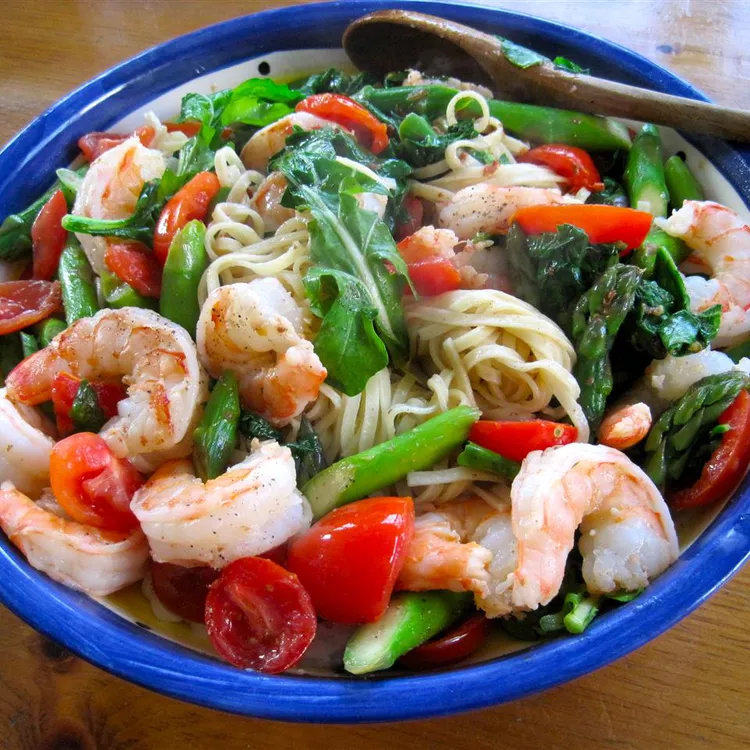
The Ultimate Creamy Shrimp Pasta Primavera: A Fresh, Elegant Weeknight Masterpiece
There is a specific kind of culinary magic that happens when the bounty of a spring garden meets the indulgence of a velvet-smooth cream sauce. Pasta Primavera, a dish born in the 1970s at New York’s famed Le Cirque, was originally a celebration of seasonal vegetables. However, by introducing succulent, pan-seared shrimp into the equation, we elevate this classic from a simple side dish to a protein-rich, sophisticated main course.
This Creamy Shrimp Pasta Primavera recipe is designed for the home cook who demands restaurant-quality results without the pretense. It balances the “snap” of blanched asparagus and sweet peas with the richness of heavy cream and Parmigiano-Reggiano. Whether you are hosting a garden-themed dinner party or simply looking to brighten up a Tuesday night, this dish delivers a vibrant, colorful, and deeply satisfying experience.
Ingredients
To achieve the best results, prioritize fresh, seasonal produce. If certain vegetables are unavailable, feel free to substitute with what is freshest at your local market.
The Seafood and Pasta
-
1 lb Large Shrimp (16-20 count): Peeled and deveined, tails on or off based on preference.
-
1 lb Penne Rigate or Fusilli: These shapes are ideal for “trapping” the creamy sauce.
-
2 tbsp Extra-Virgin Olive Oil: For searing the shrimp.
-
1 tsp Kosher Salt and ½ tsp Black Pepper: To season the shrimp.
The Spring Vegetables
-
1 bunch Asparagus: Trimmed and cut into 2-inch bias-cut pieces.
-
2 Medium Carrots: Peeled and cut into thin ribbons or matchsticks.
-
1 cup Frozen Sweet Peas: Thawed (or fresh if available).
-
1 Yellow Bell Pepper: Thinly sliced.
-
1 cup Snap Peas: Stringed and halved.
The Creamy Parmesan Sauce
-
4 tbsp Unsalted Butter
-
3 cloves Garlic: Minced.
-
1 small Shallot: Finely diced.
-
1 ½ cups Heavy Cream: Do not substitute with milk; the fat content is vital for the emulsion.
-
1 cup Freshly Grated Parmigiano-Reggiano: Plus more for serving.
-
½ cup Reserved Pasta Water: The “liquid gold” that binds the sauce.
-
1 tbsp Fresh Lemon Juice: To brighten the fats.
-
¼ cup Fresh Italian Parsley: Roughly chopped.
-
2 tbsp Fresh Basil: Chiffonade (thinly sliced).
Step-by-Step Instructions
1. Prepare the Pasta and Blanch the Vegetables
Bring a large pot of heavily salted water to a rolling boil. Add the pasta and cook according to package instructions until al dente.
Pro Tip: During the final 2 minutes of the pasta’s cooking time, add the asparagus, carrots, and snap peas directly into the boiling pasta water. This “one-pot blanching” ensures the vegetables are tender-crisp without requiring an extra pan. Drain the pasta and vegetables together, making sure to reserve at least 1 cup of the starchy pasta water.
2. Sear the Shrimp
While the pasta boils, pat the shrimp completely dry with paper towels. Season with salt and pepper. In a large skillet or Dutch oven, heat 2 tablespoons of olive oil over medium-high heat. Add the shrimp in a single layer. Sear for 2 minutes per side until they turn pink and opaque. Remove the shrimp from the pan and set aside on a plate; do not overcook them, as they will finish in the sauce.
3. Build the Aromatics
Lower the heat to medium. In the same skillet, melt the butter. Add the diced shallots and sauté for 2 to 3 minutes until translucent. Add the minced garlic and cook for another 60 seconds until fragrant, being careful not to brown the garlic, which can turn bitter.
4. Create the Cream Sauce
Pour the heavy cream into the skillet. Bring to a gentle simmer, stirring constantly. Let the cream reduce slightly for about 3 to 4 minutes. Whisk in the Parmigiano-Reggiano one handful at a time until the sauce is smooth and thickened.
5. Emulsify and Combine
Add the drained pasta and blanched vegetables into the skillet. Toss gently to coat. Add the seared shrimp and the thawed sweet peas. If the sauce appears too thick, splash in the reserved pasta water 2 tablespoons at a time, tossing until the sauce reaches a silky, glossy consistency that clings to the pasta.
6. The Final Flourish
Remove the skillet from the heat. Stir in the fresh lemon juice, parsley, and basil. The acidity of the lemon is crucial to cutting through the richness of the cream. Taste and add more salt or pepper if necessary.
Expert Tips & Variations
Professional Cooking Tips
-
The Dry Shrimp Secret: Moisture is the enemy of a good sear. Drying the shrimp ensures they caramelize rather than steam.
-
Temperature Control: When adding the cheese to the cream, ensure the heat is not too high. Excessive heat can cause the proteins in the cheese to clump, resulting in a grainy sauce.
-
Pasta Water Importance: The starch in the reserved water acts as an emulsifier, marrying the fat of the cream and cheese to the carbohydrates of the pasta.
Substitutions and Variations
-
Vegetarian Option: Simply omit the shrimp and add sautéed cremini mushrooms or zucchini coins for extra meatiness.
-
Gluten-Free: Use a high-quality corn or brown rice-based penne. Ensure you do not overcook the pasta, as gluten-free varieties can become mushy quickly.
-
Lighter Version: Replace half of the heavy cream with chicken or vegetable stock and add 2 tablespoons of cream cheese for body. This reduces the total fat while maintaining a creamy mouthfeel.
-
Spice it Up: Add ½ teaspoon of red pepper flakes when sautéing the garlic for a subtle heat that complements the sweetness of the shrimp.
Serving Suggestions
This dish is visually stunning and should be served immediately while the sauce is at its creamiest.
-
Plating: Use wide, shallow bowls. Ensure several shrimp and a variety of colorful vegetables are visible on top of the pasta mound.
-
Pairings: Serve with a crisp, high-acidity white wine such as a Sauvignon Blanc or a Pinot Grigio. The acidity of the wine cleanses the palate between bites of the rich sauce.
-
Side Dish: A simple arugula salad with a light lemon vinaigrette provides a peppery contrast to the dish.
Storage & Make-Ahead Notes
Refrigeration
Store leftovers in an airtight container for up to 2 days. Note that the pasta will continue to absorb the sauce as it sits.
Reheating
To maintain the creamy texture, reheat the pasta on the stovetop over low heat. Add a splash of milk or water to loosen the sauce. Avoid the microwave if possible, as it can cause the cream sauce to “break” (separate into oil) and make the shrimp rubbery.
Freezing
We do not recommend freezing this dish. Cream-based sauces and delicate spring vegetables often lose their structural integrity and texture when thawed and reheated.
Preparation Timeline
| Task | Duration | Note |
| Prep Vegetables | 10 mins | Cut all veggies to uniform size. |
| Boil Pasta | 10-12 mins | Add veggies in the last 2 mins. |
| Sear Shrimp | 5 mins | Cook until just opaque. |
| Make Sauce | 8 mins | Simmer cream and melt cheese. |
| Total Time | Approx. 35 mins |
Nutrition Information
Per Serving (Based on 6 servings)
| Nutrient | Amount |
| Calories | 580 kcal |
| Protein | 32g |
| Fat | 28g |
| Saturated Fat | 16g |
| Carbohydrates | 52g |
| Fiber | 5g |
| Sugar | 4g |
| Sodium | 720mg |
Note: Nutritional values are estimates based on standard ingredient measurements.